5 Best Software Monetization Solutions in 2026
5 Best Software Monetization Solutions in 2026: 1. Schematic 2. Metronome 3. Orb 4. Chargebee 5. Stigg. Learn why Schematic stands out.
 Ryan Echternacht
On this page
- Overview
- TL;DR
- What Is a Software Monetization Solution?
- Why Do You Need a Platform to Monetize Software?
- Top 5 Software Monetization Tools in 2026
- 1. Schematic
- 2. Metronome
- 3. Orb
- 4. Chargebee
- 5. Stigg
- Build a Software Monetization Strategy Customers Can Trust
- FAQs About Software Monetization Solutions
- What is the best software monetization solution?
- What are the most common software monetization models?
- How does usage-based pricing help software companies generate revenue?
- What should you look for in software monetization software?
Your pricing model might seem straightforward at first. Customers sign up, choose a plan, and pay a monthly fee.
But what happens as your software grows?
Enterprise customers may start asking for custom pricing, while new AI features introduce usage costs that fixed subscriptions can't easily cover. Suddenly, the billing system you started with might be limiting your revenue opportunities.
Software monetization solutions give you more flexibility to charge customers based on how they use your product. You can experiment with pricing models, track consumption, and manage billing without constantly rebuilding your existing systems.
The question is which platform makes the most sense for your business.
We've narrowed down the five best software monetization solutions in 2026, looking at their features, strengths, and limitations.
TL;DR
These are the five best software monetization solutions of 2026:
Metronome
Orb
Chargebee
Stigg
What Is a Software Monetization Solution?
A software monetization solution helps you turn your software products into revenue through different pricing and billing models.
Let’s say you're running a SaaS business. You might start by charging every customer the same monthly subscription fee. But as your customer base grows, you may want to introduce usage-based pricing or offer enterprise customers custom plans.
Managing those changes manually can become difficult, especially when customers have different billing arrangements.
Software monetization platforms help you manage several pricing models, including:
Subscription pricing: Customers pay a recurring fee, usually monthly or annually, to continue using your software.
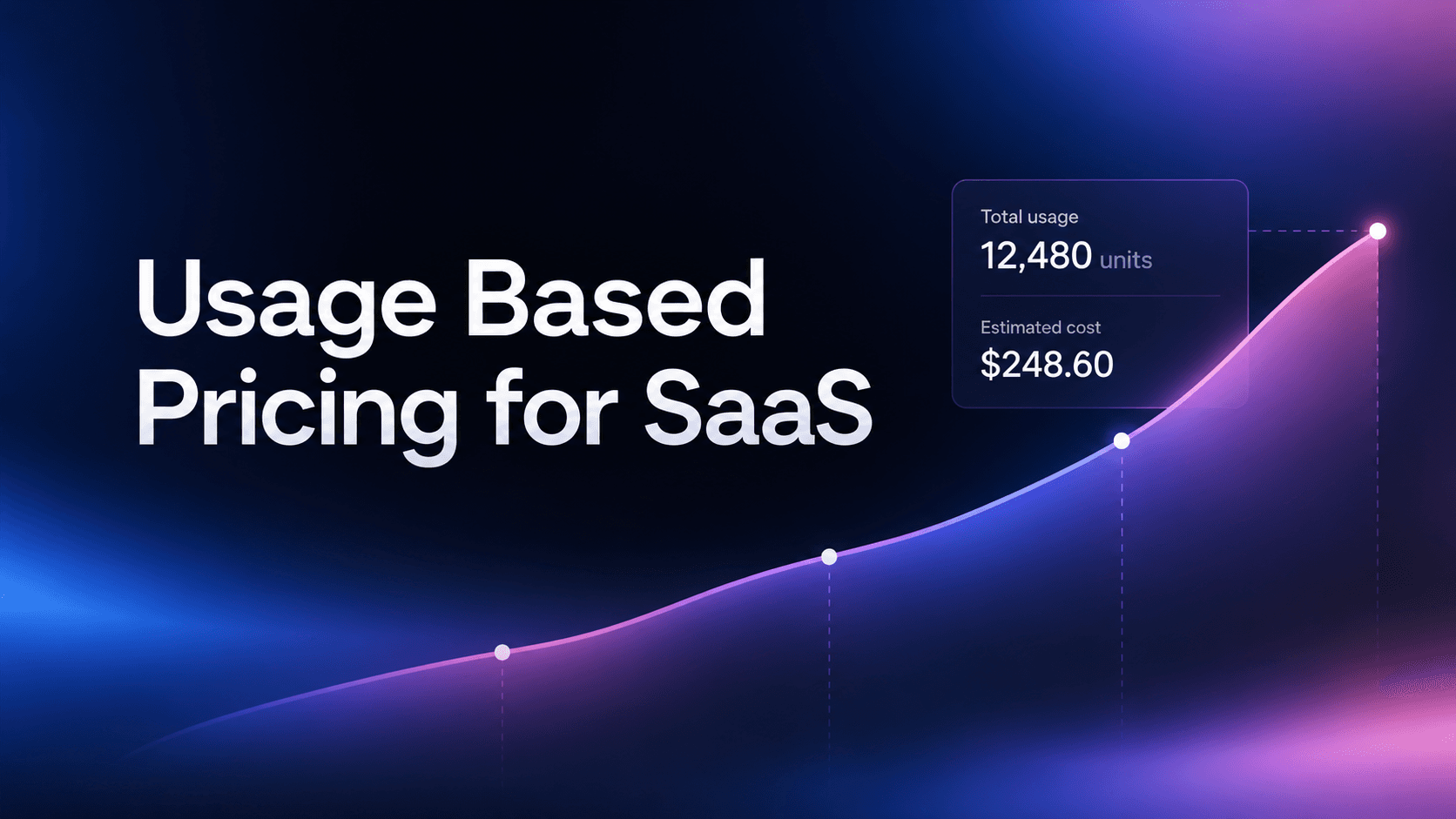
Usage-based pricing: You charge customers according to how much they consume, such as the number of API calls or AI tokens.
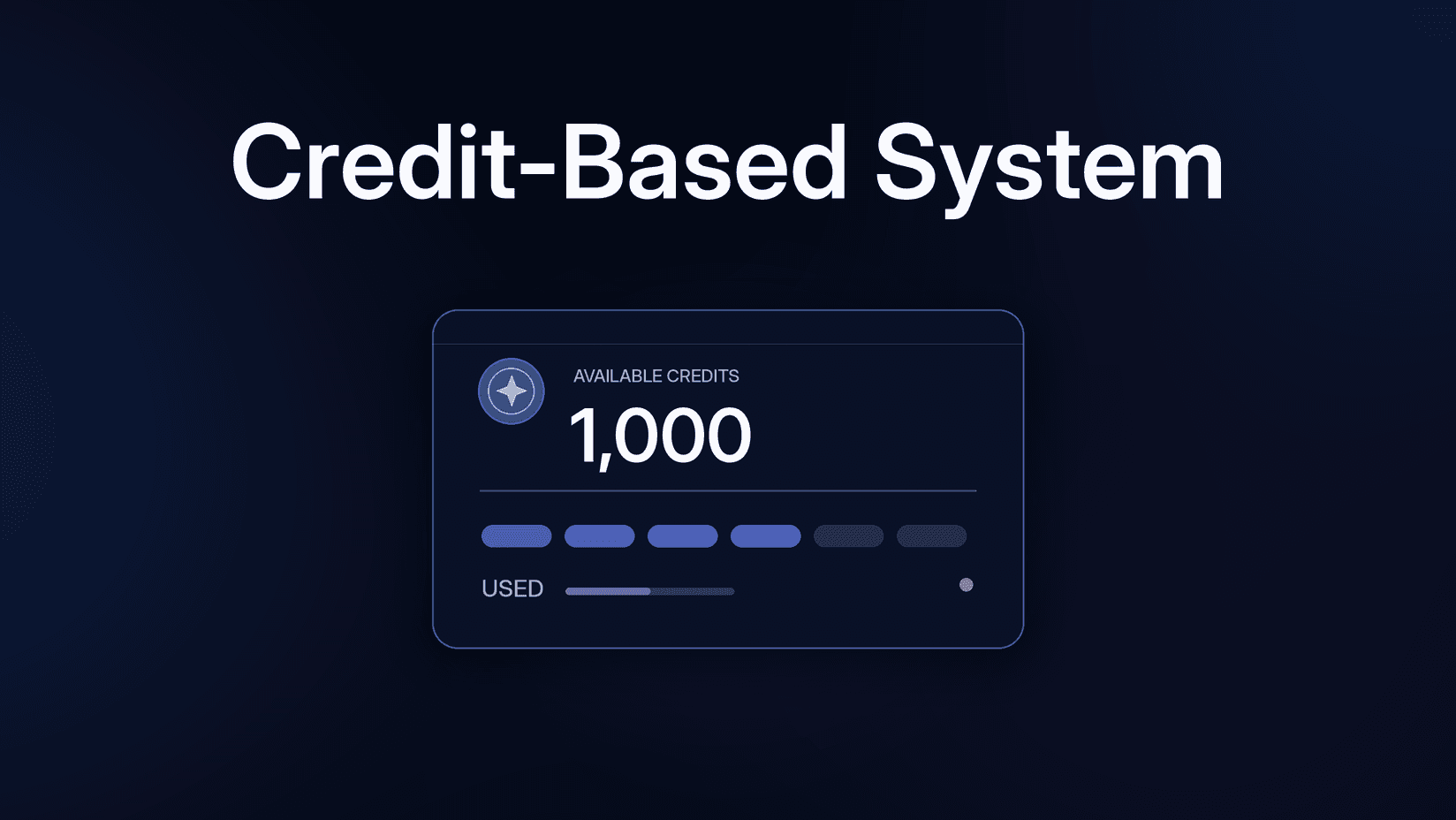
Credit-based pricing: Customers purchase credits they can spend on specific product features or services.
Freemium pricing: Users can access basic features for free and upgrade to paid plans for advanced functionality.
Hybrid pricing: Customers pay a recurring fee that includes a usage allowance, with additional charges if they exceed it.
Depending on the platform, you can also manage software licensing and control which features customers can access based on their plans.
Why Do You Need a Platform to Monetize Software?
Your pricing strategy will probably change as your customer base grows. You might start with simple monthly subscriptions, then introduce premium features or usage-based charges as customers ask for more flexibility.
But without the right software monetization platform, every pricing change could mean another engineering project.
According to The State of B2B Monetization in 2026, 37% of the 230 B2B software and AI companies surveyed use hybrid pricing as their primary pricing model, making it the most common approach among respondents.
Modern software monetization solutions can help you:
Introduce flexible pricing: Experiment with new business models without repeatedly rewriting billing logic.
Reduce revenue leakage: Track billable usage accurately so customers are charged for their consumption.
Improve customer satisfaction: Give customers better visibility into their usage and spending.
Find revenue opportunities: Use usage data to identify existing customers who may benefit from higher pricing tiers.
Reduce manual work: Connect product consumption with billing processes and other business systems.
Top 5 Software Monetization Tools in 2026
The best software monetization solution depends on your products, customers, and preferred pricing strategy.
1. Schematic
Schematic is a complete usage-based billing platform for software and AI companies selling to enterprise customers. Its biggest advantage is that it helps you offer flexible, consumption-based pricing while giving customers direct control over their spending.
Enterprise buyers often hesitate to commit to usage-based models because they can't easily predict their bills.
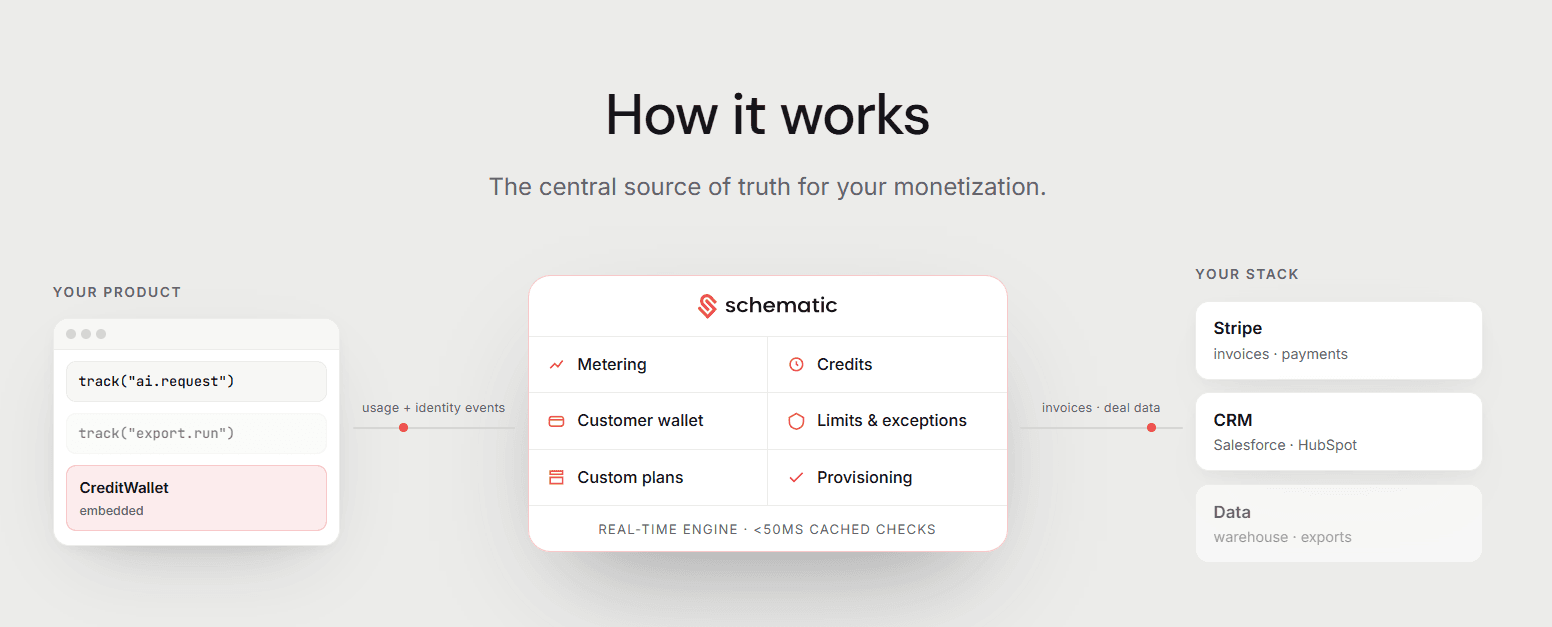
Schematic addresses that concern with enterprise credit wallets. Your customers can monitor consumption in real time, forecast spending, and set limits that reflect their budgets.
For example, a company using your AI software could set monthly spending caps for individual users. The limits are enforced as usage happens, which ultimately reduces the risk of unexpected charges.
Schematic also combines usage metering with billing and entitlement management, which can help you manage the commercial side of your software without maintaining separate custom systems.
Best Features
Enterprise credit wallets: Give customers real-time visibility into their balances, spending forecasts, and credit consumption.
Usage metering and billing: Track billable activity and support usage-based or hybrid pricing models.
Runtime entitlements: Control access to product features and enforce limits as customers use them.
Self-service spending controls: Let customers configure spending caps and usage policies.
Credit management: Support credit rollovers, expiration dates, top-ups, and priority consumption.
Custom pricing plans: Create customer-specific agreements and manage exceptions without changing product code.
Plan versioning: Update pricing tiers and migrate customers between plans.
Real-time event logs: Review usage activity and maintain clear records of consumption.
Concurrency-safe holds: Reserve credits before actions run to prevent overspending during simultaneous requests.
2. Metronome
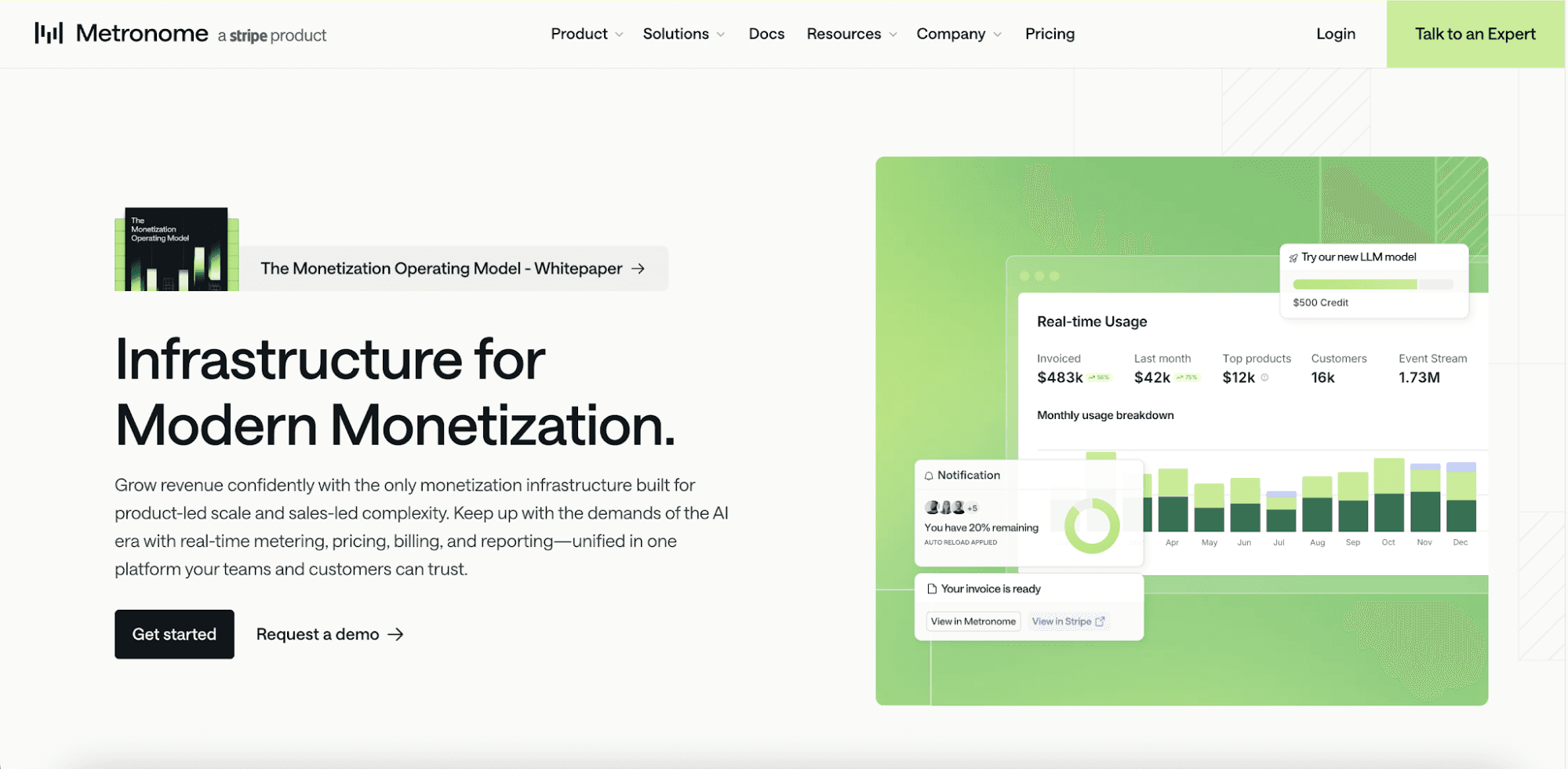
Metronome is a usage-based billing platform designed for software companies with complex pricing requirements. It helps businesses convert product consumption into billable charges, making it suitable for companies selling cloud infrastructure or AI services.
Source: Metronome.com
For example, an API provider could charge customers according to request volume while offering separate negotiated rates for enterprise accounts. Metronome supports these arrangements through configurable pricing and detailed usage tracking.
It also provides customer-facing billing dashboards that let users review consumption and spending.
Best Features
Usage-based billing: Calculate charges using product consumption data.
Flexible pricing: Support subscriptions, prepaid credits, and custom enterprise agreements.
Real-time analytics: Monitor usage and revenue activity as customers consume services.
Customer dashboards: Display usage information and spending details inside your software.
Pricing management: Update rate cards and configure individual customer agreements.
3. Orb
Orb helps software companies create flexible pricing models using detailed product usage data. Its billing engine processes raw usage events and turns them into measurable quantities that determine customer charges.
Source: WithOrb.com
Suppose your AI application charges users according to the number of documents processed. Orb can track processing activity, calculate the billable amount, and generate invoices based on your pricing rules.
Plus, you can change how usage is measured without rebuilding the original event-tracking system.
Orb supports hybrid models, making it a practical option for SaaS businesses combining recurring subscriptions with consumption charges.
Best Features
Usage event tracking: Collect detailed product activity to calculate customer charges.
Configurable billing metrics: Define billable quantities using built-in aggregation tools or SQL.
Flexible pricing: Support prepaid credits, subscriptions, and consumption-based charges.
Automated invoicing: Generate invoices using calculated billing data.
Revenue reporting: Analyze billing activity and monitor financial performance.
4. Chargebee
Subscription billing involves a lot of ongoing work, especially when customers upgrade plans, change payment details, or cancel their accounts.
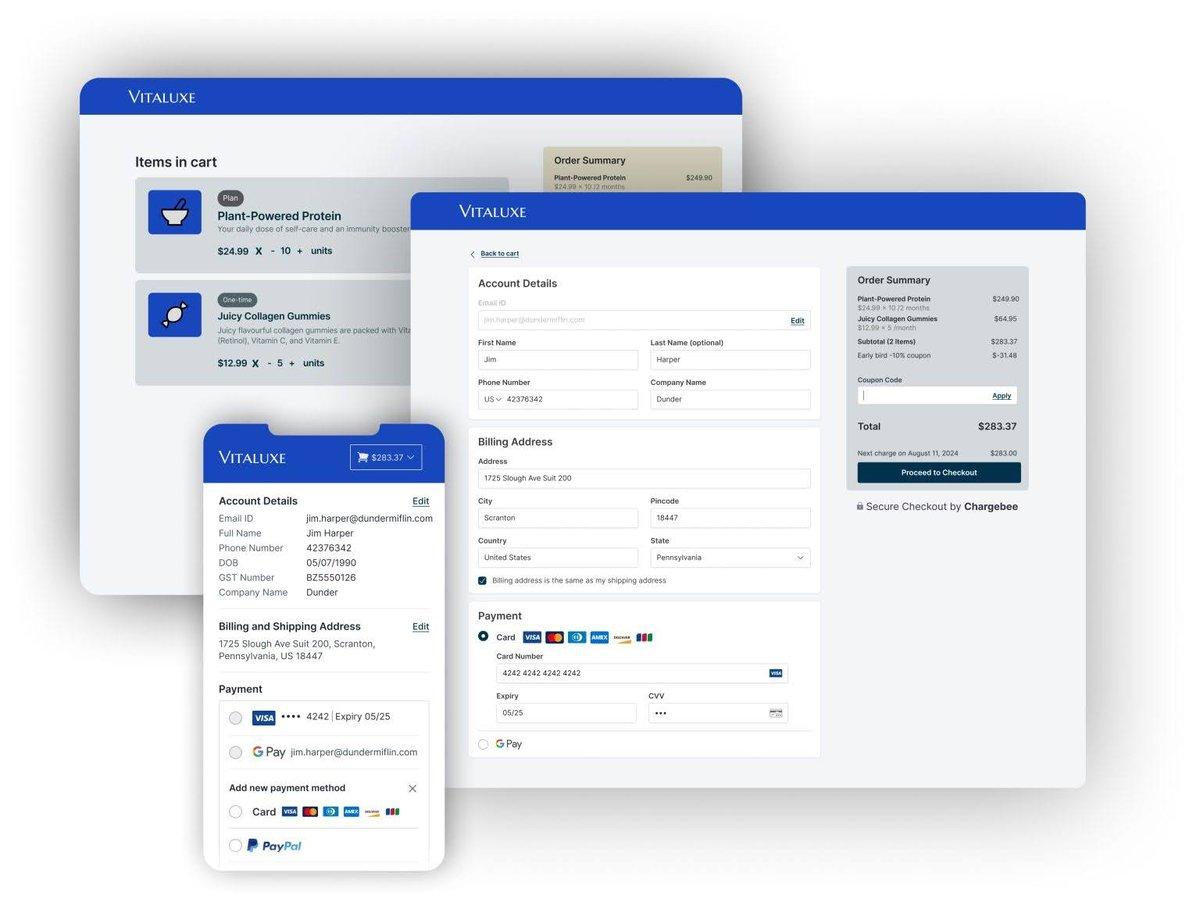
Chargebee helps software companies manage those activities through a subscription billing and revenue management platform.
Source: G2
Its tools cover the full subscription lifecycle, including automated renewals, invoice generation, and payment recovery. You can also manage different billing schedules and offer custom subscription terms to paying customers.
Chargebee has expanded beyond traditional subscriptions to support usage-based and credit-based pricing, which can give businesses more options as their monetization strategy changes.
Another advantage is its financial management capabilities. Your finance team can use Chargebee's revenue recognition and reporting tools to monitor subscription revenue and better understand your company's financial performance.
Best Features
Subscription management: Handle renewals, cancellations, upgrades, and billing changes.
Flexible billing: Support recurring subscriptions alongside usage-based pricing.
Payment collection: Process payments and manage unsuccessful transactions.
Revenue recognition: Track revenue associated with subscription agreements.
Billing automation: Generate invoices and manage recurring billing cycles.
5. Stigg
How much control do you have over the features customers can access under different pricing plans?
Stigg helps software companies manage feature access, usage limits, and customer entitlements without constantly updating application code.
Source: Stigg.io
For instance, you could offer a free plan with limited AI requests, then introduce paid tiers with higher allowances or credit-based pricing. Stigg tracks consumption and applies the appropriate limits based on each customer's plan.
Your product managers can also make changes to pricing packages and feature availability without relying on developers for every adjustment.
The platform is especially useful for SaaS and AI companies that frequently introduce new features or experiment with different software monetization models.
Best Features
Entitlement management: Define access permissions for individual features and pricing plans.
Usage metering: Measure customer activity against configured limits.
Credit management: Manage credit balances, consumption rules, and expiration.
Real-time enforcement: Apply usage restrictions before customers exceed configured allowances.
Spending governance: Set budget controls for users or AI agents.
Build a Software Monetization Strategy Customers Can Trust
Choosing the right software monetization solution starts with understanding how your customers use your product.
Traditional subscription platforms can work well if customers pay predictable recurring fees. But usage-based models introduce new questions.
How can customers track their consumption? What happens when they reach their spending limit? Can you offer custom pricing without creating extra work for engineering?
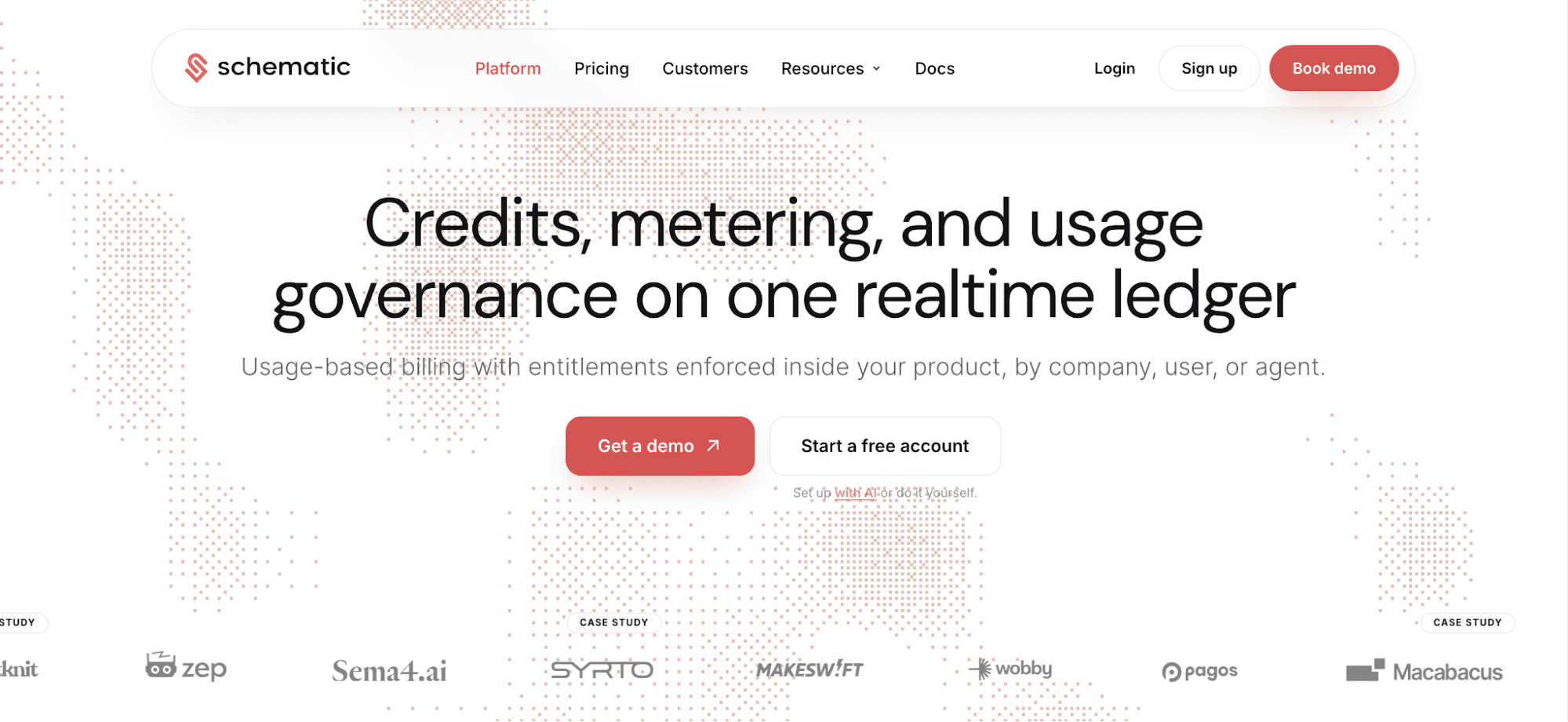
Schematic helps answer those questions with a complete usage-based billing platform built for software and AI companies.
You can meter consumption, manage enterprise credit wallets, and enforce usage limits in real time. Customers also get the visibility they need to understand their spending before the next invoice arrives.
Rahul Gill, Customer Experience Lead at Macabacus, explains:
"Schematic's ability to offer usage caps, bundles, and top-ups gave our customers the cost predictability they need."
FAQs About Software Monetization Solutions
What is the best software monetization solution?
The best software monetization solution depends on your business model. Schematic is a strong option for SaaS and AI companies using credit-based or usage-based pricing, particularly those selling to enterprises. Chargebee suits subscription-heavy businesses, while Metronome and Orb offer advanced consumption billing capabilities.
What are the most common software monetization models?
Common software monetization models include subscriptions, usage-based billing, perpetual software licensing, freemium plans, and hybrid pricing. Each model determines how customers pay for software access or consumption. Many SaaS companies combine recurring fees with usage charges to support different customer needs.
How does usage-based pricing help software companies generate revenue?
Usage-based pricing connects customer charges to actual product consumption. As customers use more resources, their spending can increase accordingly. Software companies can also use consumption patterns to identify expansion opportunities and offer pricing plans that better reflect customer needs.
What should you look for in software monetization software?
Look for flexible pricing, accurate usage tracking, and billing automation that supports your preferred monetization model. If you sell to enterprise customers, consider entitlement management and spending controls. Customer-facing usage visibility is also valuable for helping buyers understand and manage their costs.