 Ryan Echternacht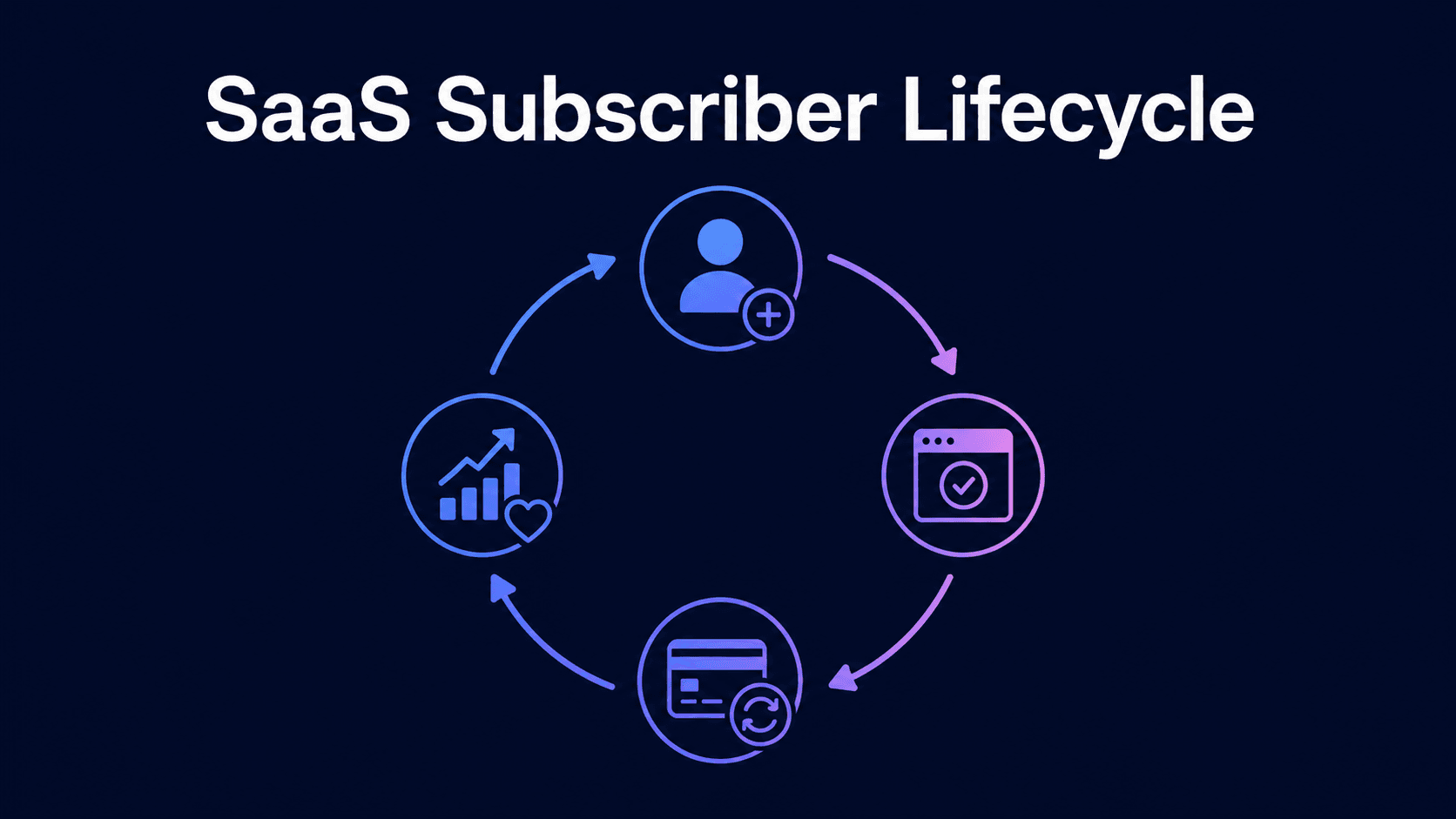
Most SaaS companies track two things closely: sign-ups and cancellations.
While those numbers are important, they only show the start and end of the customer relationship. They do not show what happens in between.
That middle part is where many businesses miss valuable insight.
Subscribers may sign up but never activate. They might need help before renewal, or they may be ready to upgrade before account executives intervene.
The SaaS subscriber lifecycle breaks down the entire journey the customer goes through with a software product, from initial awareness to long-term loyalty. By monitoring each stage, SaaS companies can identify opportunities for business growth.
In this article, we'll discuss the seven important stages of the SaaS subscriber lifecycle and share tips on how to improve each phase.
TL;DR
- The SaaS subscriber lifecycle refers to the process a customer goes through with a software-as-a-service product.
- The seven stages are awareness, consideration, conversion and purchase, activation, adoption and retention, expansion, and advocacy.
- SaaS companies can improve the lifecycle with targeted content, comparison guides, free trials, strong onboarding, daily check-ins, paywalls, and referral programs.
- Tracking the right metrics helps teams understand where subscribers move forward, slow down, or lose interest.
- Schematic helps businesses manage the customer lifecycle by supporting trials, flexible plans, pricing tables, limit enforcement, and revenue insights.
What Is the SaaS Subscriber Lifecycle?
The SaaS subscriber lifecycle, also called the SaaS customer lifecycle, describes the entire relationship a customer has with a software product.
It begins when a potential customer first learns about the SaaS application through a website, digital ad, or word-of-mouth. Then, the lifecycle continues through every touchpoint they have with the business.
This means looking beyond sign-ups and cancellations. It involves paying attention to how people choose the product, use it, get value from it, decide to stay, and advocate for it. It's a holistic approach to managing each stage of the SaaS lifecycle as part of one connected customer experience.
7 Stages of the SaaS Subscriber Lifecycle and How to Optimize Them
The SaaS subscriber lifecycle helps businesses understand what customers need at each point in their relationship with a product.
Let's discuss the key stages and share tips for optimizing each one.
1. Awareness
Awareness is the first point where a person learns that your SaaS product exists, whether through your website's landing page, social media post, or word-of-mouth.
At the awareness stage, they may not be ready to buy yet. They are often trying to understand a problem they may have, compare possible solutions, and learn more about a software category.
Your job is to simply introduce your SaaS application to prospective buyers and communicate your value.
How to Optimize Awareness
To improve customer awareness, SaaS companies need to show up where buyers are already looking for answers. Below are some tips you can implement:
- Develop SEO-friendly articles: Write blog posts around the questions your buyers ask before they know your product. Focus on pain points, use cases, and common terms they look up online. These blog posts should follow best practices for search engine optimization (SEO).
- Publish thought leadership content: Share your company’s point of view on industry problems and trends. This helps your brand stand out from other SaaS businesses that only talk about features. Examples of thought leadership content include founder posts, whitepapers, expert podcasts, and branded LinkedIn posts.
- Created targeted ads: Run targeted ad campaigns that reach your ideal customer profile. Focus on a specific problem or use case that matters to your target audience. The more relevant the ad is to their needs, the more likely they are to click and learn more about your product.
2. Consideration
After awareness, people begin to look more closely at their options. They already know they have a problem, and now they want to know which SaaS product can help them solve it.
Prospective buyers will compare tools, check reviews, watch demos, and look at pricing pages. They may also compare your product against direct competitors or decide whether they need software at all.
Clear messaging is important during this stage. It helps customers understand what your product does, who it is for, and why it is the right fit for their business needs.
How to Optimize Consideration
Potential buyers should be able to compare, test, and trust your product before they speak with sales teams or commit to a plan. Here's how you can optimize the consideration stage of the SaaS subscriber lifecycle.
- Write comparison guides: Create comparison articles that show how your product differs from competitors. Cover features, pricing, use cases, limits, support, and best-fit customers. Keep the tone fair. The goal is to help buyers choose the right solution for their specific needs.
- Offer live demos and free trials: Live demos allow prospects to understand how the product works while giving your team a chance to answer questions and handle doubts. Free trials let buyers test the product on their own. Make the trial easy to start, and guide users toward the first action that shows real value.
- Share case studies: Case studies help prospects see how other companies use your SaaS application. Tell a clear story about how existing customers solved a problem and received value. When buyers read examples that relate to their own situation, they are more likely to trust your product.
3. Conversion and Purchase
Conversion is the point where a prospect becomes a subscriber. This may happen when they start a free trial, book a demo, choose a paid plan, or complete checkout.
This stage focuses on turning interest into action. The buyer already sees a possible fit, but they may still need a clear reason to move forward.
Strong lead nurturing can help answer final questions, reduce doubt, and guide users to the right plan. The goal is to make the buying process simple and clear, so more prospects become paying customers.
How to Optimize Conversions
To increase conversion rates, SaaS businesses should remove friction from the buying process. Here are some best practices to implement:
- Provide transparent and flexible pricing: Show what each plan includes, who it is for, and what the buyer gets at each tier. You can also offer flexible pricing to encourage more prospects to say yes. Consider monthly subscriptions, annual plans, pay-as-you-go pricing, prepaid credits, or custom plans.
- Streamline checkout flows: Keep the checkout process short. Ask only for the details needed to create the account and process the payment.
- Offer multiple payment methods: Give buyers more than one way to pay, such as credit cards, bank transfers, and digital wallets. When customers can use their preferred payment method, they are less likely to abandon the checkout page.
4. Activation
After conversion, the subscriber has taken the first step. They may have started a trial or created an account. But the relationship is still new.
Activation is the stage where the subscriber first sees real value from your SaaS product. This might happen when they complete setup, use a key feature, invite a team member, or finish their first task. If users do not receive enough value, they may lose interest and churn early.
A strong activation stage helps new subscribers feel confident that they made the right choice.
How to Optimize Activation
To improve activation, SaaS businesses need to help new customers reach value fast. The first few actions after signing up can shape how they feel about the product. Here are some practical strategies to follow:
- Develop comprehensive onboarding guides: Create onboarding guides that show users what to do first, step by step. Use checklists, short videos, and docs to simplify the setup process. Make sure they point new subscribers toward the first action that proves value.
- Monitor early usage patterns: Track customer behavior during the first days after sign-up. Look at logins, setup progress, feature usage, and skipped steps, which can reveal potential churn risks. Provide assistance or additional training if you notice challenges or slow product adoption.
5. Adoption and Retention
User adoption and retention happen after the subscriber has seen the first signs of value. Now, the objective is to make your SaaS app part of their daily work.
Subscribers are no longer just testing the product. They are deciding if it fits their daily tasks, team habits, and long-term needs. If your product keeps helping them solve problems, they are more likely to stay.
It's important to track usage, support requests, feedback, and other customer interactions. These signals show whether subscribers are getting value or starting to lose interest.
How to Optimize Adoption and Retention
Customers should feel that the product is worth keeping month after month. Here's how to strengthen adoption and retention.
- Deliver ongoing product value: Provide ongoing value to subscribers by releasing new features, solving bugs, sharing tips, and offering reliable customer service. When subscribers keep finding new ways to benefit from the product, they become happy customers who are more likely to stay for the long term.
- Conduct regular check-ins: Customer success teams should check in with subscribers before problems grow. They should also offer proactive support, suggest useful features, and guide users toward better results.
- Allow subscription pause: Some customers may not want to cancel for good. They may only need a short break due to budget, timing, or internal changes. A pause option in SaaS subscriptions can save the relationship and give them a reason to return later.
6. Expansion
Expansion comes after a subscriber is already getting value from the product.
If they are using it often and seeing positive results, they may be ready to grow their account. This can mean upgrading to a higher plan, adding more seats, or purchasing add-ons.
This SaaS subscriber lifecycle stage depends on strong relationship building. Expansion should feel like a natural next step, not a forced sale.
When subscribers trust the product and the people behind it, they are more open to new ways the software can support their business goals.
Expansion is important for revenue growth. The 2025 B2B SaaS Performance Metrics Benchmarks show that expansion annual recurring revenue (ARR) represents 40% of total new ARR. This emphasizes the need to grow existing accounts after the first sale to drive long-term revenue.
How to Optimize Expansion
To improve expansion, SaaS companies need to know when a subscriber is ready for more and enable seamless upgrades. Below are some practical strategies to implement.
- Analyze usage data: Analyzing data from active accounts can reveal which subscribers are ready to expand. Look specifically at usage patterns, team size, and customer health scores.
- Use paywalls: Enforce paywalls to show the value of premium features at the right time. A paywall should naturally appear when the user has a clear reason to upgrade.
- Offer add-ons: Add-ons let subscribers expand without changing their existing plan. These can include higher usage limits, premium support, advanced reports, or extra seats. You should offer add-ons based on actual needs, not random upsells.
7. Advocacy
Advocacy happens when existing customers trust your product enough to recommend it to others. They are not just active users. They have seen clear value and feel good about their choice.
Strong customer satisfaction can show up in different ways. Subscribers may send referrals, join a case study, take part in a testimonial, or leave positive reviews on trusted review sites.
Advocacy is a sign that the customer relationship is strong. It can also help bring in new prospects, since people often trust customer stories and social proof more than brand messages.
How to Optimize Advocacy
SaaS companies should make it easy for happy customers to share their experience. Here are some tips to optimize the advocacy stage:
- Create referral programs: Give satisfied customers a simple way to refer peers, family members, or other people. Make the process easy with a clear referral link and a reward that encourages them to share your product. Examples include extra discounts, account credits, additional seats, or partner perks.
- Collect and showcase customer testimonials: Use data from customer feedback to identify subscribers who have achieved strong results with your product. A customer success manager can reach out to these customers and ask for a testimonial, review, or case study. Share these testimonials on your website, email campaigns, and sales materials.
- Build community forums: Create a space where customers can ask questions, share ideas, and learn from each other. This can be a private social media group, a forum, or a dedicated subreddit. A strong community encourages continuous learning and helps customers feel connected to your product.
Key Metrics to Track in Each SaaS Subscriber Lifecycle Stage
The right metrics help SaaS teams see where customers move forward, slow down, or drop off. Here are the important metrics you should monitor at distinct stages of the subscriber lifecycle.
- Awareness: Track website traffic, impressions, social mentions, and branded search. These show how many people are finding your SaaS application for the first time.
- Consideration: Monitor the number of demo requests, trial signups, pricing page visits, comparison page visits, and email engagement every month. These metrics reveal how many buyers are showing clear interest.
- Conversion: Customer conversation rates, trial-to-paid rate, sales close rate, and cost per acquisition (CPA) show how well your team turns interest into new subscribers.
- Activation: Check setup completion rates, time to first value, first key action, onboarding email clicks, and early usage patterns. They help you understand if new customers are getting value fast.
- Adoption and retention: Track daily active users, engagement levels, customer retention rates, support tickets, and net promoter score (NPS). These metrics reveal whether customers are likely to stay for the long term.
- Expansion: Monitor upgrade rates, average revenue per user (ARPU), net retention revenue (NRR), and customer lifetime value (CLV). These help identify if existing subscribers are expanding their investment as their needs grow.
Manage the Entire SaaS Subscriber Lifecycle With Schematic
The SaaS subscriber lifecycle is easier to manage when pricing, access, and billing work together.
Schematic helps SaaS companies launch trials, ship any pricing model, build pricing tables, track usage limits, and control access inside the product at runtime.
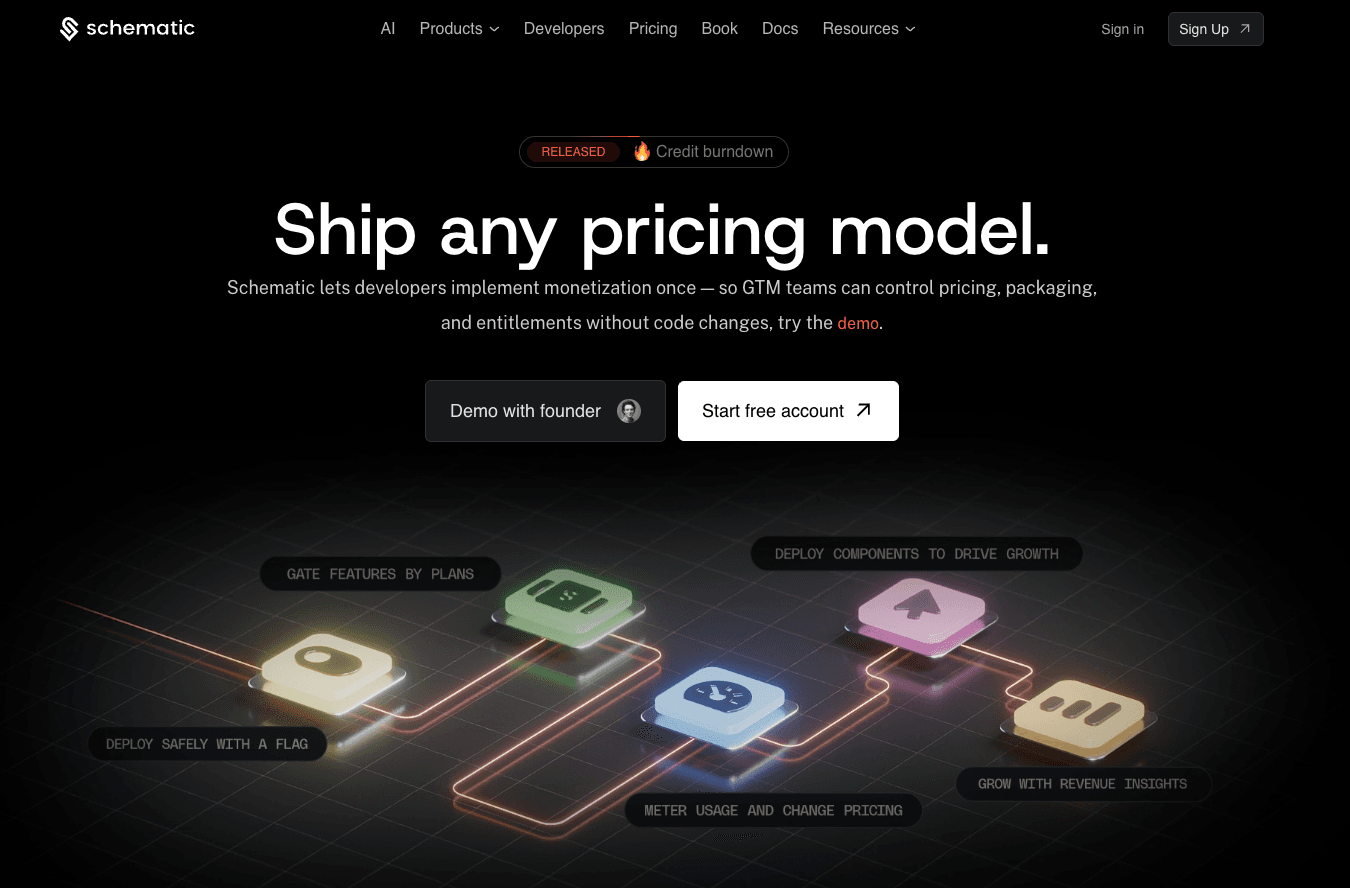
Instead of hard-coding pricing and packaging logic, teams can manage them in Schematic. It's easier to test different monetization strategies, offer add-ons, set up paywalls, manage software entitlements, and guide subscribers to the right plan as their needs grow.
Schematic is built on Stripe, which handles payment processing and invoicing. This enables users to sign up, choose a plan, and start using the product without extra friction.
Schematic also reveals upgrade opportunities and churn risks based on product usage and customer data. Learn which plans and pricing models are growing the business through revenue insights.
With Schematic, engineering teams only implement monetization once. Go-to-market teams can continuously iterate on monetization.
FAQs About SaaS Subscriber Lifecycle
What is the SaaS customer lifecycle?
The SaaS customer lifecycle is the entire journey a customer experiences with a software product. It covers how prospects first learn about the product, sign up, use it, stay, grow their account, and refer others.
What are the seven stages of the customer lifecycle?
In the SaaS industry, customers go through seven stages: awareness, consideration, conversion, activation, adoption and retention, expansion, and advocacy. Each stage shows a different part of the customer relationship and helps teams understand what users need next.
How do you improve SaaS subscriber lifecycle management?
You can improve lifecycle management by tracking user behavior, fixing drop-off points, improving onboarding, and sending the right message at the right time. Teams can also replace manual processes with automated tools to manage marketing, pricing, billing, and data analysis.
Who should own subscriber lifecycle management in SaaS companies?
The responsibility for subscriber lifecycle management should be shared between marketing, sales, product, customer success, and the support team. Each department owns a different part of the customer experience, but they should work from the same data and goals.